Every stone leaves
with a certificate.
A written record of what was measured, issued for each stone examined at GemsLabé. The examples below are real certificates, published in full.
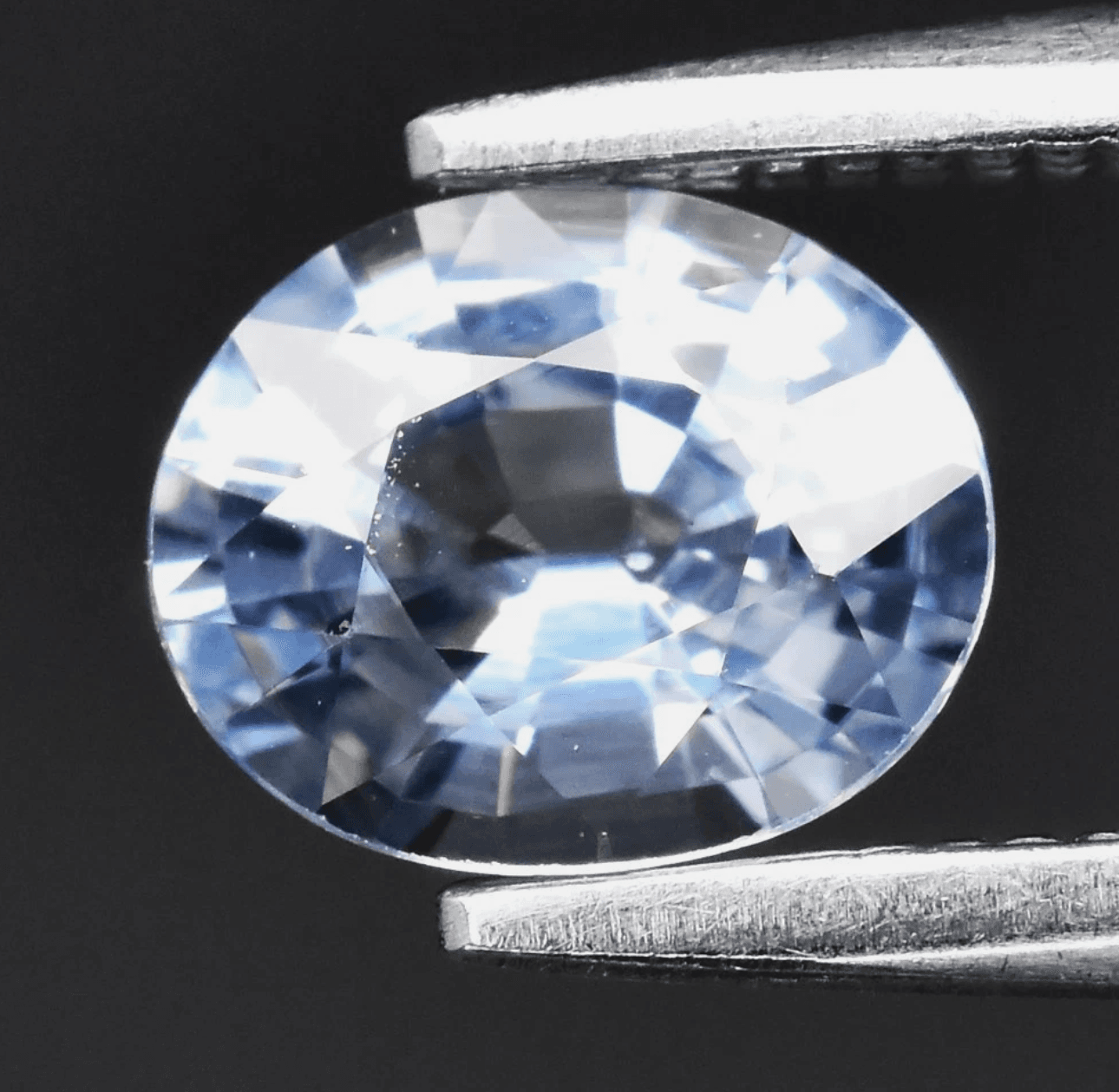
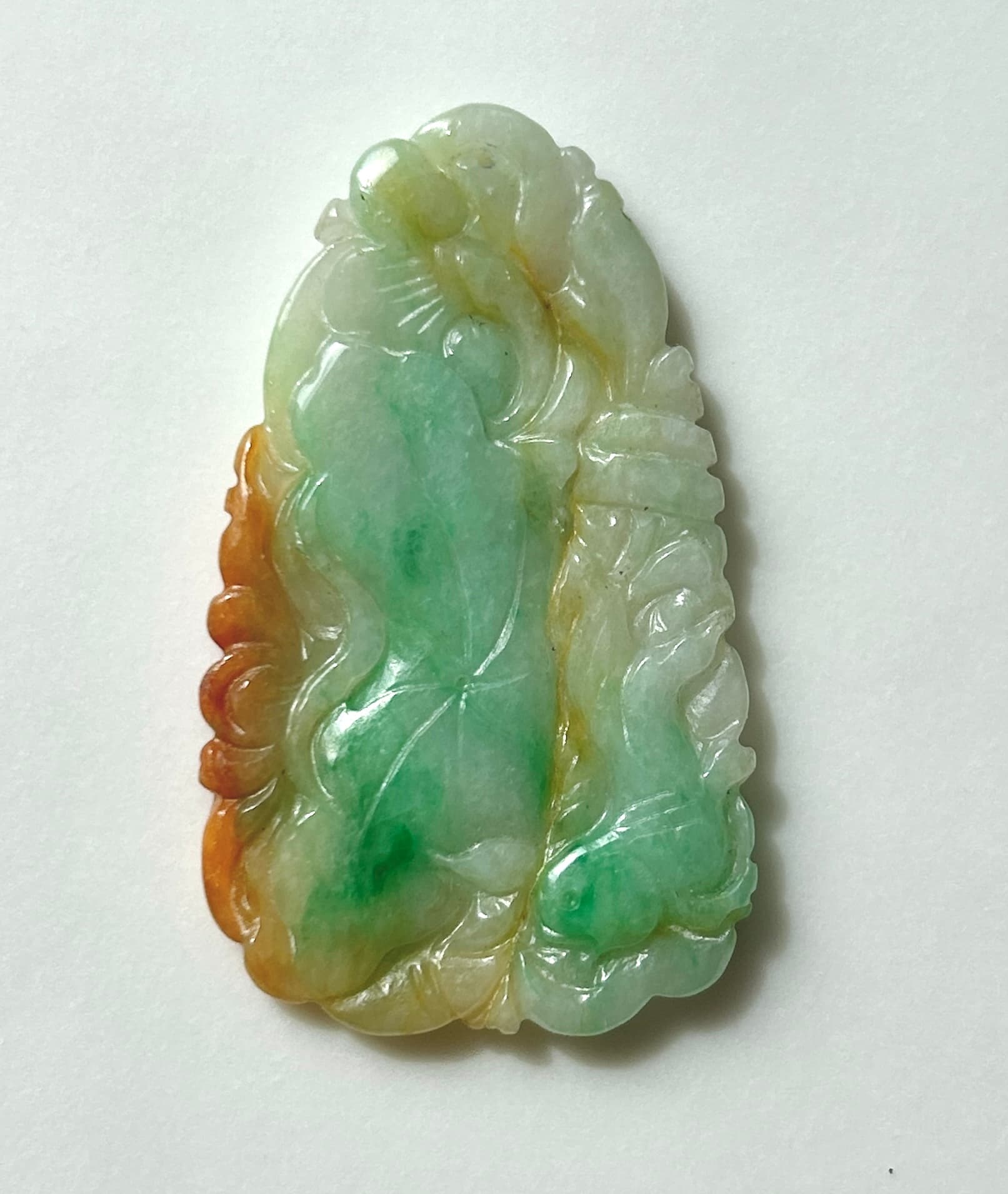
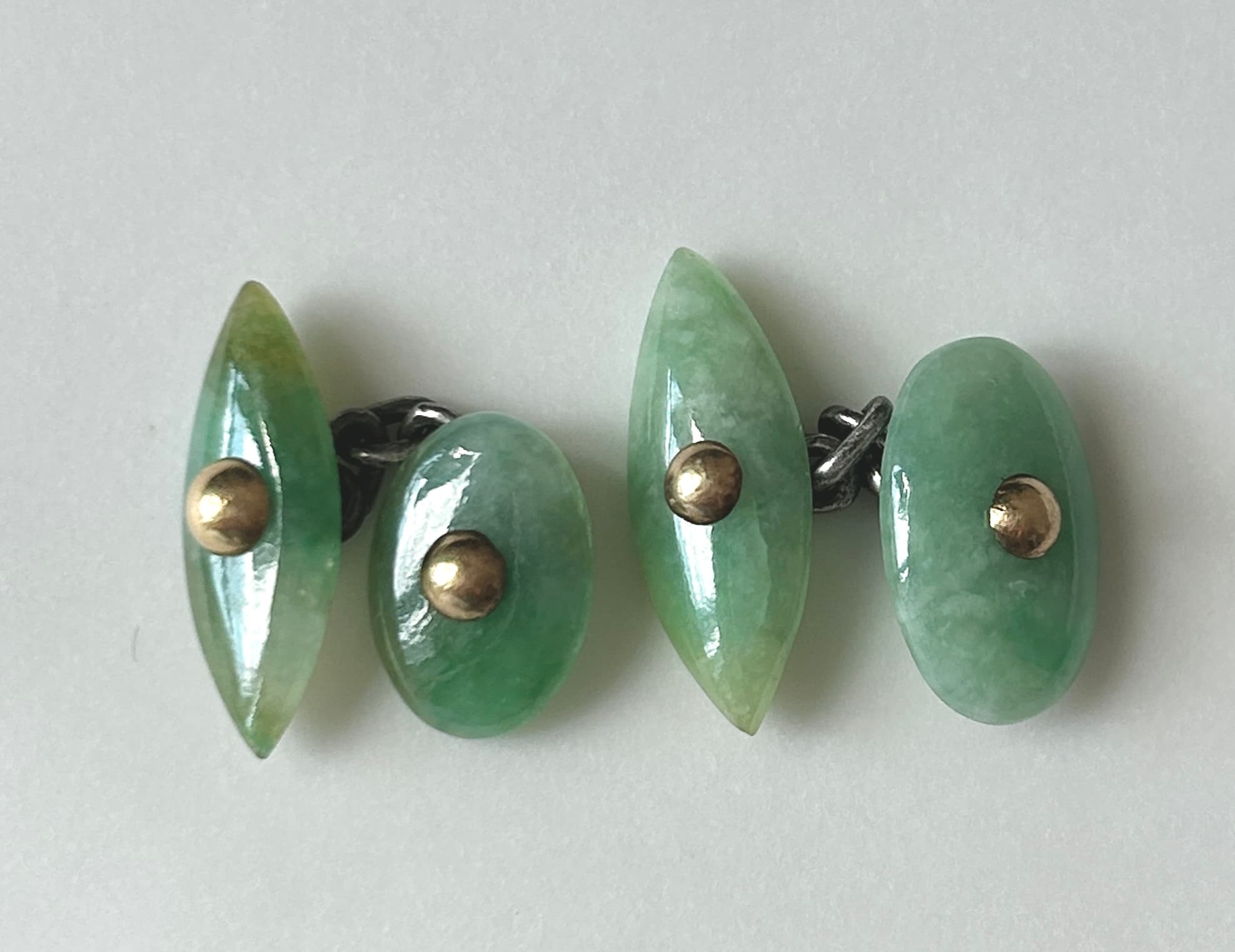
Each card opens the certificate as it was issued. Material examined here ranges from the corundum, beryl, garnet and tourmaline families through opal, spinel, zircon and jadeite, to species rarely cut at all — grandidierite, kornerupine, pollucite.
What a certificate contains
A record of what was measured, not an opinion of what a stone is worth. Every certificate carries the same fields in the same order, so two can be compared line by line. A blank field is an answer: the test did not apply, or was not conclusive.
- Identification
- Species, and variety where one applies — Beryl var. Emerald, Rhodolite, Titanite (Sphene). Synthetic and laboratory-grown material is named here, not left to be inferred. Multi-stone items are reported stone by stone.
- Description and measurements
- What ties the document to one specific item: cut, dimensions in millimetres, weight in carats.
- Optical and physical properties
- The constants that place a stone inside, or outside, its claimed species. Refractive index is measured on nearly every stone; specific gravity only where it adds something — a mounted stone cannot be weighed hydrostatically.
- Fluorescence
- Reaction under long-wave (365 nm) and short-wave (254 nm) ultraviolet. Inert is recorded as inert — the absence of a reaction is itself diagnostic.
- Microscopy
- The inclusion suite in words, not codes: crystals, feathers, healed fissures, colour zoning. Usually what separates natural from synthetic, and heated from unheated.
- Treatment and origin
- Indications of heating, filling, dyeing or diffusion, and geographic origin where the evidence supports one. Laboratory-grown material carries its growth process instead — HPHT, Type IIa.
Treatment wording
The line most often misread. The same words are used on every certificate issued here.
- Untreated
- No indications of treatment from the tests performed. The most common finding here.
- Heated
- Thermal enhancement. Long-established practice in corundum, accepted precisely because it is disclosed — so it always is.
- Diffusion · Beryllium diffusion
- Colour introduced from the surface inward. Reported apart from ordinary heating: a different intervention that stands differently in the trade.
- Oil · Fracture filled
- Surface-reaching fissures filled with oil, resin or glass. Routine in emerald, disclosed with the filler where it can be identified.
- Type B+C jadeite
- Bleached, polymer-impregnated and dyed — not the same commodity as untreated Type A material.
- Synthetic · Laboratory-grown
- An identity rather than a treatment, so it appears on the identification line instead.
Instrumentation
Which techniques a stone receives depends on the service you choose. See pricing and service tiers.
- Classical gemologyEvery examination
- Microscope, polariscope, refractometer, hydrostatic balance, Chelsea filter and long- and short-wave ultraviolet — the source of most numbers on the certificate.
- Raman spectroscopyStandard Examination
- Non-destructive identification of the stone and of the inclusions inside it, including natural against synthetic.
- FTIR spectroscopyComprehensive Analysis
- Treatment detection — fillers, polymer impregnation — and water-related features in beryl and quartz.
- UV-Vis-NIR, fluorescence and XRFComprehensive Analysis
- Colour origin and elemental chemistry: the evidence behind an origin conclusion where one can be supported.
Verifying a certificate
Every certificate carries a report number and a QR code printed on the document. Scanning it, or opening the address below, brings up the certificate as issued — same photographs, same measurements, same date — with a PDF to download.
gemsla.be/reports/<report number>
The number is permanent and never reissued. A certificate kept private at the owner's request will not resolve for a third party. A document with no report number, or one that resolves to nothing, did not come from here.
Scope and limits
- It describes the item examined, on the date examined. It is not a valuation and carries no opinion of price.
- Treatment detection has limits. The document reports what the tests performed could establish.
- Origin is a supported conclusion, not a measurement. Where the evidence does not support one, none is given.
- Photographs show inclusions and cut under laboratory lighting. They are not colour standards.
Have a stone you would like certified?
Tell me what you have and I will recommend the level of analysis it needs.
Get in Touch